

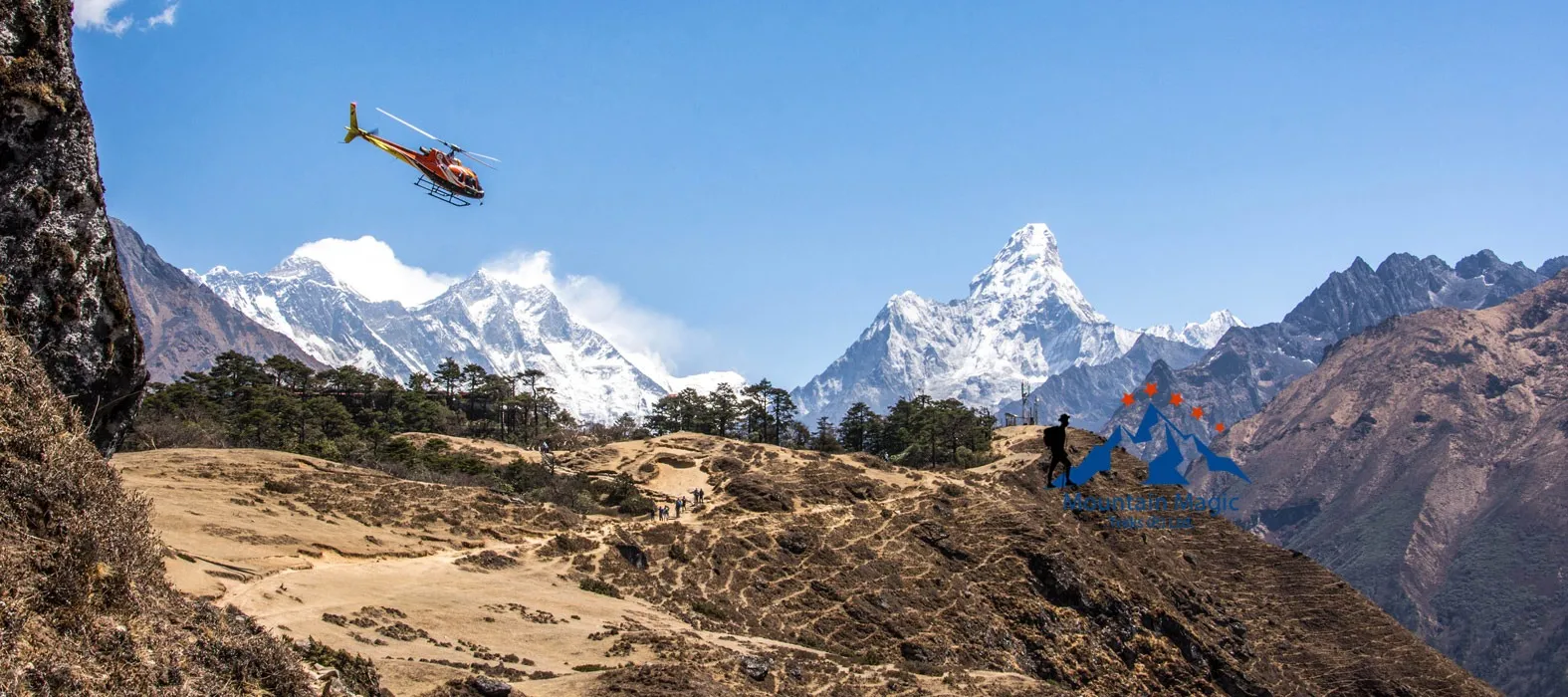
A comfortable trekking journey depends on many services that visitors rarely see behind the scenes. Food must reach mountain kitchens, bedding must be maintained, shops need basic products, and lodges require regular supplies. In the Khumbu region, providing these everyday items is a major task because many settlements are connected by narrow mountain trails rather than ordinary roads.
The Everest Base Camp Trek with Helicopter Return passes through several communities where local businesses support trekkers and residents. From Phakding and Namche Bazaar to Dingboche and Lobuche, each settlement depends on a supply network that keeps daily life moving. Understanding this system gives travelers a clearer picture of what makes a multi-day trek possible.
Why Supplying Mountain Settlements Is Difficult
Transporting goods in a mountain region is different from delivering products to a city. Many sections of the Khumbu route have steep slopes, narrow paths, bridges, and uneven surfaces.
Large delivery vehicles cannot reach every settlement along the trekking route. As a result, supplies often need to be transferred between different transportation methods.
Distance Is Not the Only Challenge
A village may appear close on a map, but reaching it can require hours of walking. The difficulty depends on elevation, trail conditions, weather, and the weight of the goods being carried.
Transporting food and building materials also requires careful planning. Businesses must consider how much stock they need and how frequently new supplies can arrive.
Porters and Pack Animals Support Local Transportation
Human porters and pack animals play an important role in moving goods through the Khumbu region.
Porters may carry food, household products, construction materials, and other supplies. Yaks and other pack animals are also used in suitable areas, depending on the route, season, and local arrangements.
How Supplies Move Between Settlements
A typical supply journey may involve several stages:
-
Goods arrive at a lower transportation point.
-
Items are sorted and prepared for mountain transport.
-
Porters or pack animals carry the supplies along established trails.
-
Local businesses receive and organize the deliveries.
-
Products are stored until they are needed.
This system requires coordination between suppliers, carriers, lodge owners, and shopkeepers.
Namche Bazaar Acts as an Important Supply Center
Namche Bazaar is one of the major settlements in the Khumbu region. Its location and range of businesses make it an important service point for trekkers and local residents.
Visitors can find shops, restaurants, accommodation, and other facilities in the town. Local businesses also help distribute goods to smaller settlements farther along the route.
Why Namche Is Different From Smaller Villages
Compared with more remote locations, Namche has a wider range of services and commercial activity.
Trekkers often use it as a place to purchase small personal items or replace something they forgot to pack. However, prices and product availability can vary, and travelers should not depend on finding every specialized item there.
How Food Reaches Teahouse Kitchens
Food preparation is a major part of mountain accommodation services. Teahouses need ingredients for breakfast, lunch, and dinner, as well as drinks and basic kitchen supplies.
The available menu may depend on the settlement, season, lodge facilities, and current supply conditions.
Planning Stock Around Visitor Demand
Lodges need to estimate how much food they will use. During busy trekking periods, more visitors can increase demand for common meals and drinks.
Some ingredients are easier to transport than others. Dry foods and packaged products may be simpler to store, while fresh items require more attention.
The supply system helps mountain kitchens continue serving visitors despite transportation challenges.
Building Materials Must Also Reach Remote Locations
Mountain settlements need regular maintenance. Roofs, walls, windows, kitchens, water systems, and other facilities may require repairs or upgrades.
Bringing construction materials to a remote location can be expensive and time-consuming.
Why Local Materials Matter
Stone is widely used in mountain construction because it is available in many parts of the region. Timber, metal components, roofing materials, and other products may need to be transported from outside the immediate settlement.
The choice of materials depends on availability, cost, building needs, and local conditions.
These arrangements help maintain the lodges and facilities that support the trekking route.
Why Supply Conditions Can Affect Trekking Services
The availability of products and services in mountain villages can change throughout the year.
Weather, trail conditions, transport schedules, and seasonal demand may affect how easily goods reach a settlement.
For example, a remote lodge may have fewer fresh food choices if a delivery is delayed. A shop may also run out of a particular item during a busy period.
Keep Expectations Realistic
Travelers should understand that a mountain teahouse is not the same as a hotel in Kathmandu. Facilities and menus can vary from one location to another.
The Everest Base Camp Trek with Helicopter Return includes mountain teahouse accommodation as part of the standard itinerary, but the exact facilities available at each stop depend on the lodge.
The Role of Helicopters in Mountain Transportation
Helicopters are an important part of transportation in the Everest region, but they do not replace the entire local supply network.
Aircraft can transport passengers and certain goods when operations are permitted and conditions allow. However, weight limits, weather, landing facilities, and operating costs affect what can be carried.
The helicopter transportation included in the trek package serves the planned passenger journey between Kathmandu, Lukla, and the Gorakshep area, according to the itinerary.
Passenger Flights and Supply Flights Are Different
A passenger helicopter flight should not be confused with a dedicated cargo operation. Each flight has its own purpose, weight requirements, and operational arrangements.
This distinction helps explain why everyday supplies still depend heavily on local transportation systems.
How Trekkers Can Support Local Mountain Businesses
The services available along the route depend on the people who live and work in the region. Choosing local accommodation, purchasing appropriate services, and respecting community rules can contribute to the local economy.
Travelers can support mountain businesses in practical ways:
-
Use local teahouses and restaurants included in the itinerary.
-
Purchase suitable products from local shops.
-
Treat porters and other workers respectfully.
-
Follow luggage and weight instructions.
-
Avoid wasting food and water.
-
Carry personal rubbish to proper disposal points.
Small decisions can make a difference when repeated across thousands of visitors.
Final Thoughts
The Khumbu region’s supply network is an essential part of the trekking experience. Porters, pack animals, shopkeepers, lodge owners, and local suppliers work together to move goods through a challenging mountain environment.
During the Everest Base Camp Trek with Helicopter Return, travelers benefit from services that depend on this network every day. Understanding how supplies reach remote settlements creates greater appreciation for the people and work behind the journey.
Frequently Asked Questions
1. How are supplies transported to remote Khumbu villages?
Goods are moved through a combination of porters, pack animals, and other available transportation methods.
2. Why is Namche Bazaar an important supply center?
It has a wider range of shops, accommodation, restaurants, and services than many smaller settlements.
3. Do all teahouses offer the same food choices?
No. Menus and ingredient availability vary according to location, lodge facilities, season, and supply conditions.
4. Are helicopters used to transport supplies?
Helicopters can carry certain goods when suitable operations are arranged, but they do not replace the region’s regular ground supply network.
5. Can trekkers buy forgotten items along the route?
Some basic products may be available in larger settlements, especially Namche Bazaar, but travelers should bring essential personal equipment from home.